IndiVillage Logo

Secure onboarding | Human-in-the-loop QA | Tool-agnostic delivery

LiDAR Annotation Services for Production-Ready 3D Perception

LiDAR data gives machines spatial understanding. But raw point clouds are rarely clean, complete, or immediately usable for model training.

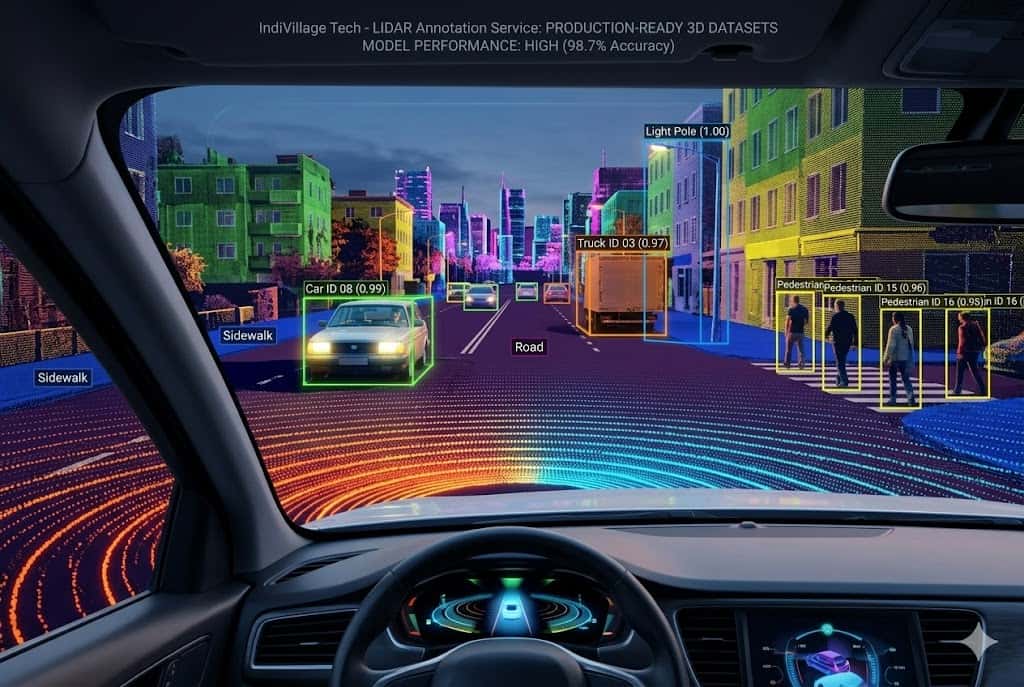
IndiVillage Tech helps AI teams convert complex LiDAR and 3D point cloud data into structured, high-quality training datasets for robotics, autonomous vehicles, mapping, mobility, and spatial AI applications. From 3D cuboids and semantic segmentation to sensor fusion review and frame-level consistency checks, we support LiDAR annotation workflows built for real-world model performance.

LiDAR Annotation Services

LiDAR Annotation Services We Support

3D Cuboid Annotation

3D Cuboid Annotation

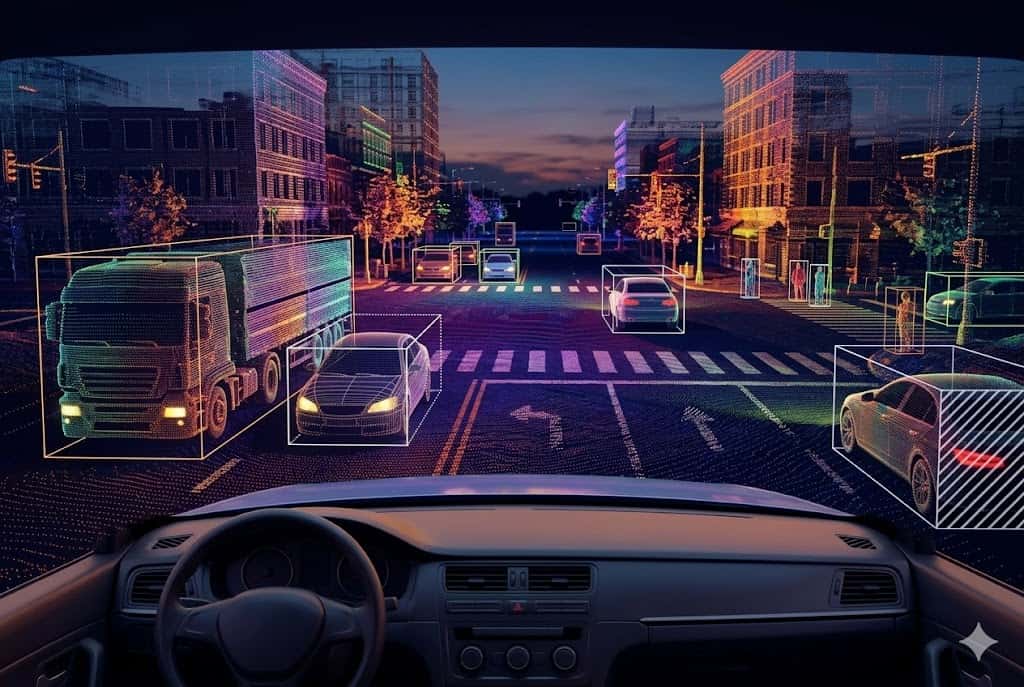
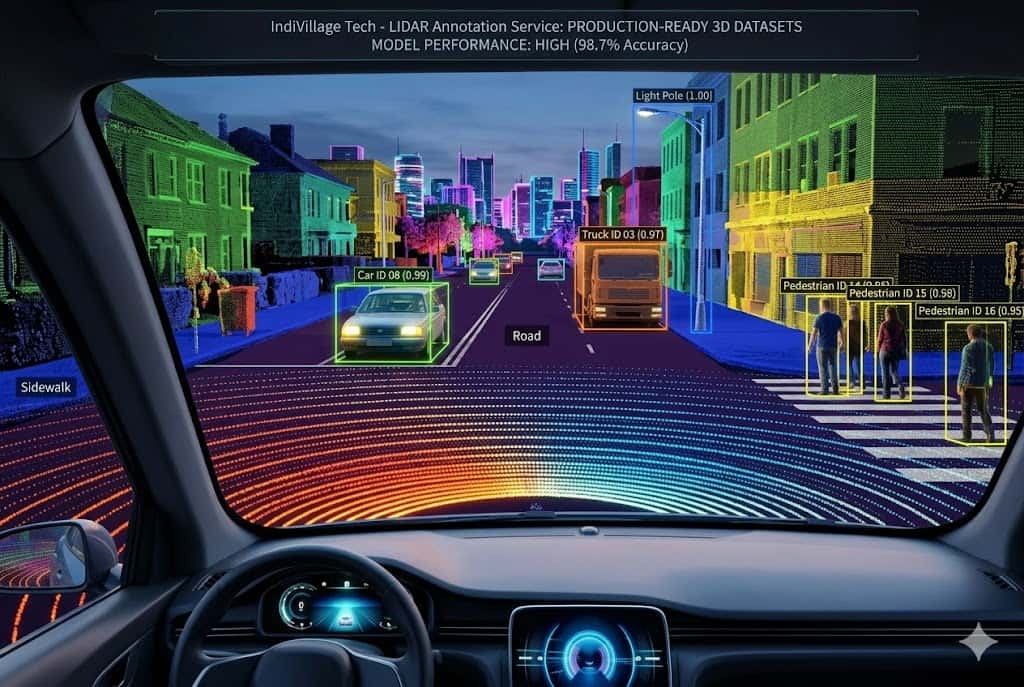
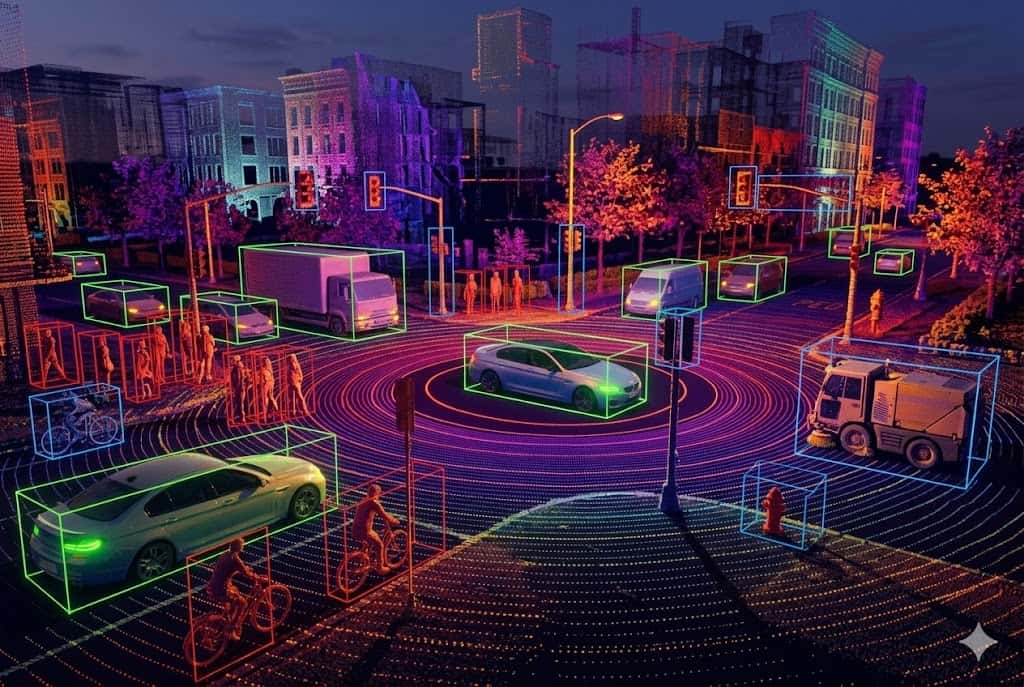
We annotate vehicles, pedestrians, cyclists, road objects, equipment, infrastructure, and other objects of interest using accurate 3D cuboids. Each cuboid is reviewed for position, depth, orientation, and spatial fit within the point cloud. This helps perception models learn not only what an object is, but where it exists in 3D space.
3D Point Cloud Segmentation

3D Point Cloud Segmentation

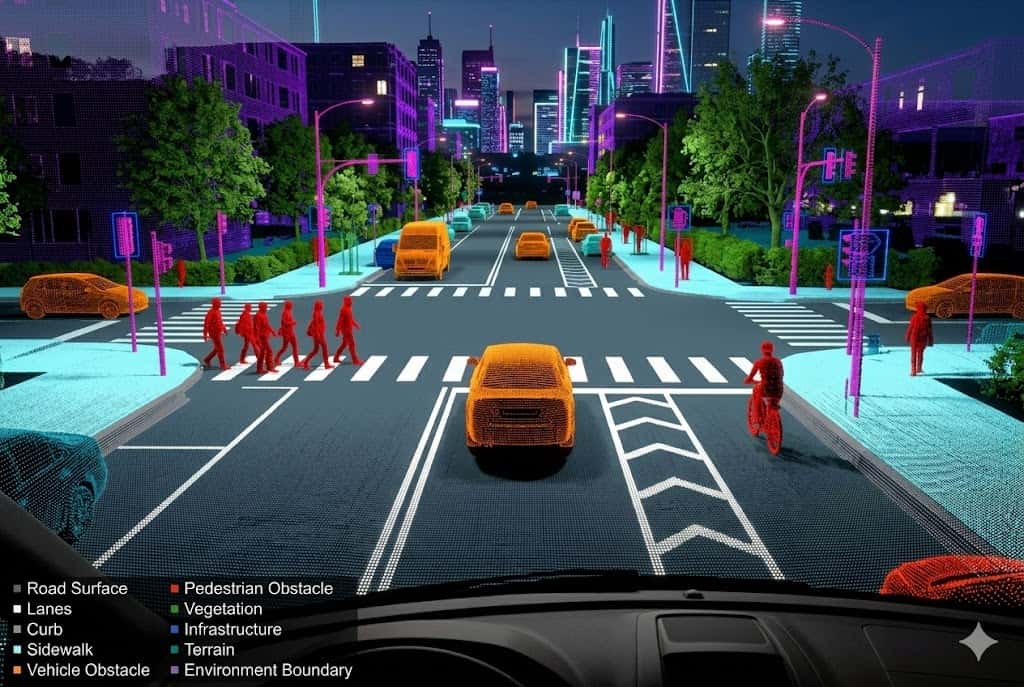
For models that need more granular spatial understanding, we support point-level and object-level segmentation across LiDAR datasets. This is especially useful for identifying road surfaces, lanes, curbs, obstacles, terrain, infrastructure, and environment boundaries. Segmentation helps models move beyond object detection and toward deeper scene understanding.

Sensor Fusion Annotation

Sensor Fusion Annotation

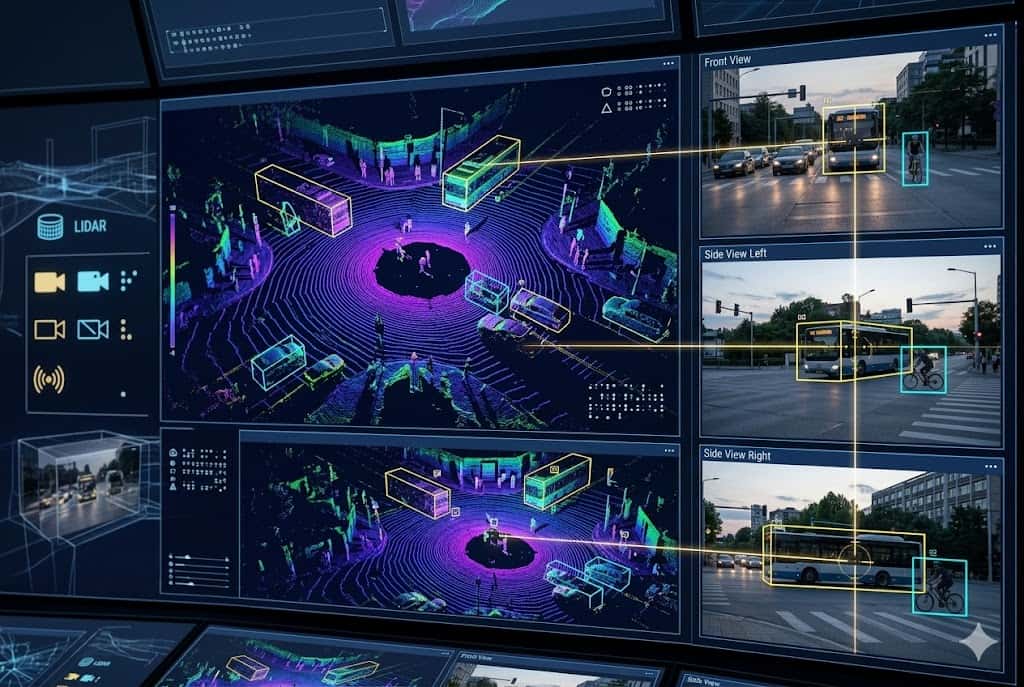
LiDAR often works alongside camera, radar, and other sensor inputs. We support sensor-fusion workflows where annotations must remain consistent across 2D images and 3D point clouds. This includes cross-checking object visibility, boundaries, orientation, and classification across multiple views.

Object Tracking Across Frames

Object Tracking Across Frames

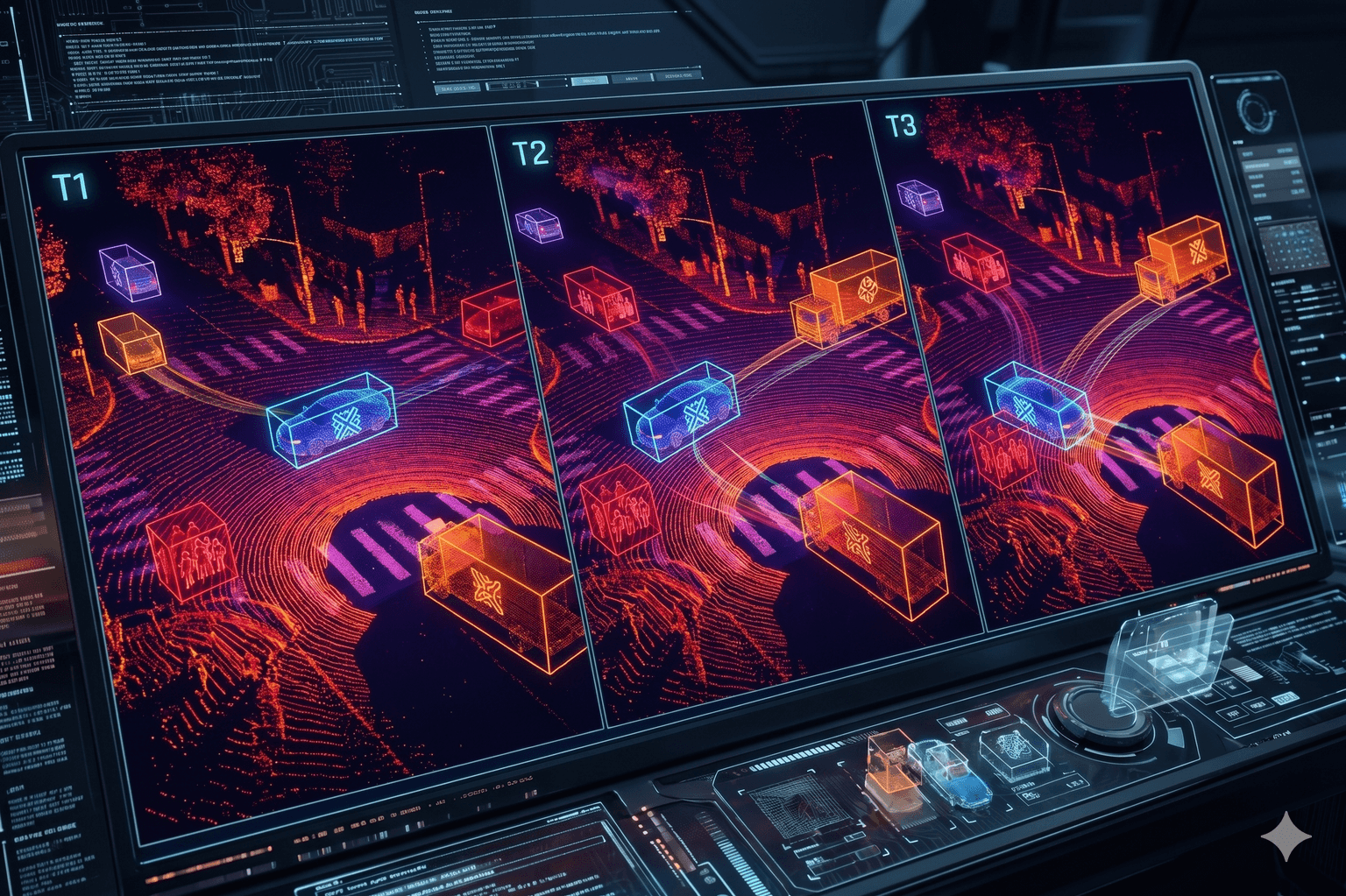
Robotics and autonomous systems do not operate on still images. They interpret motion over time. We support frame-to-frame consistency, object ID tracking, and sequence-level review so that moving objects are labelled consistently across temporal data.

Occlusion and Truncation Handling

Occlusion and Truncation Handling

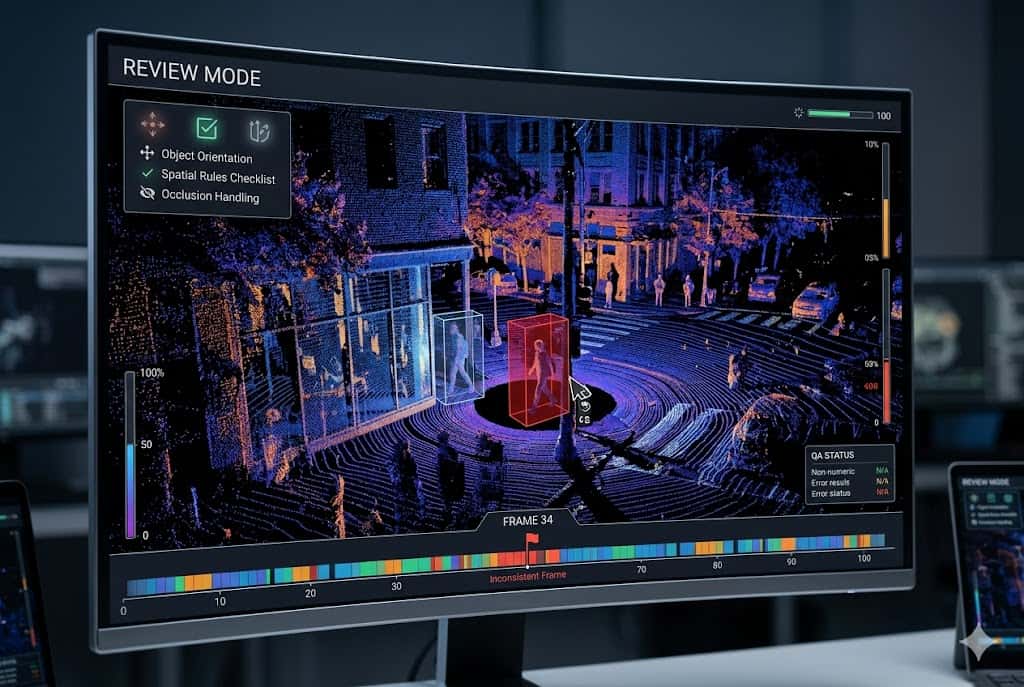
Real-world LiDAR data often contains partially visible objects, sparse points, blocked views, and incomplete object shapes. We help teams define and apply clear rules for occlusion, truncation, partial visibility, and ambiguous spatial boundaries. This reduces inconsistency across batches and improves downstream model reliability.

Road, Lane, and Drivable Area Annotation

Road, Lane, and Drivable Area Annotation

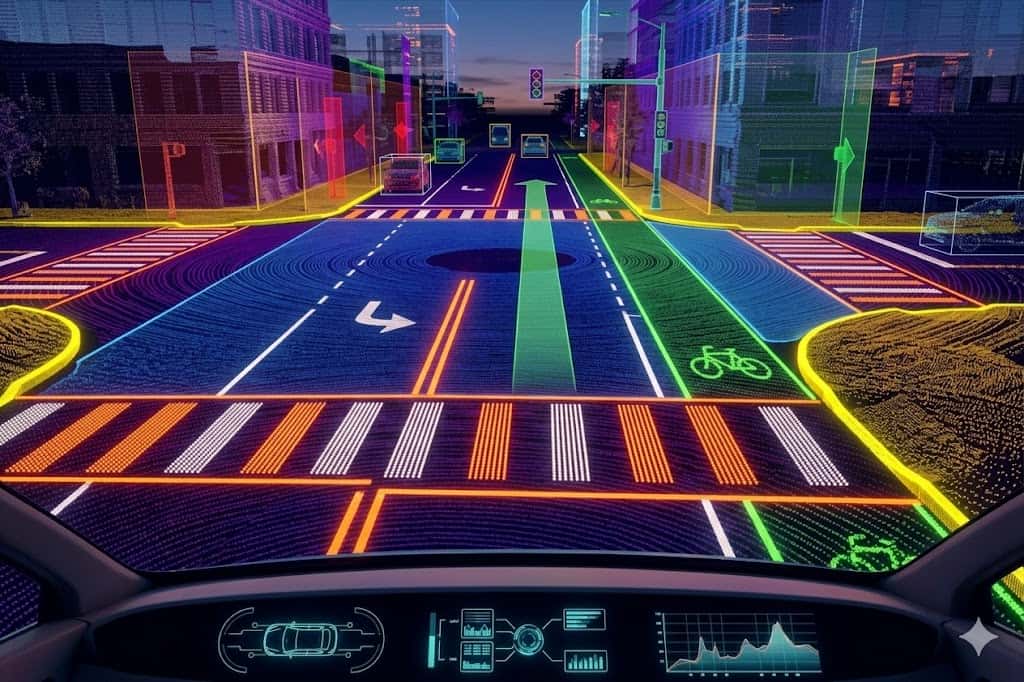
For autonomous mobility, ADAS, robotics, and mapping workflows, we support annotation of drivable areas, lanes, curbs, road edges, sidewalks, traffic elements, and navigational boundaries. These labels help models understand where movement is possible, restricted, or unsafe.

Built for Robotics, Autonomous Vehicles, and Spatial AI

LiDAR annotation becomes critical wherever machines need to understand the physical world in three dimensions. The common requirement across all the below mentioned workflows is the same: spatial data must be labelled with consistency, context, and QA depth.

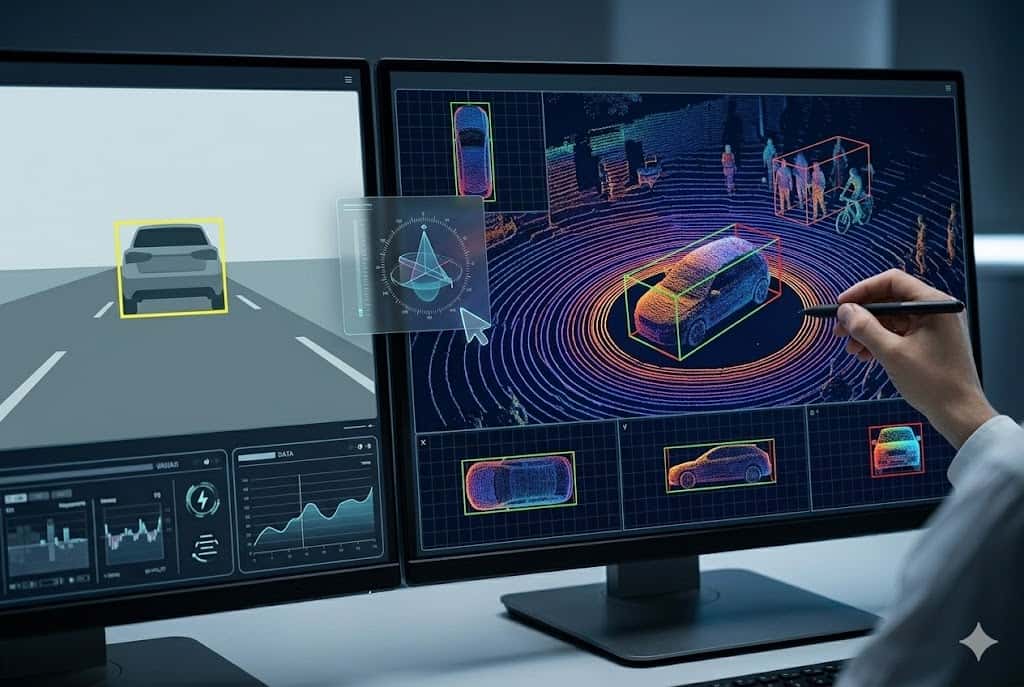
Autonomous Vehicles and ADAS

Autonomous Vehicles and ADAS

For autonomous vehicles and ADAS, LiDAR annotation helps models detect vehicles, pedestrians, cyclists, road signs, obstacles, lanes, and drivable areas.

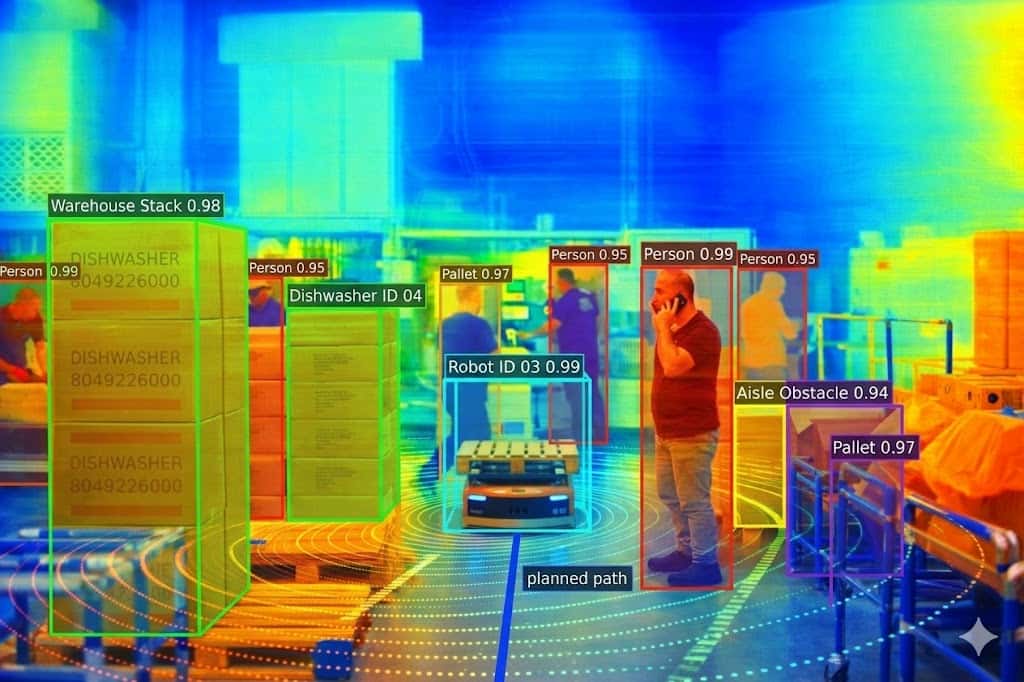
Robotics

Robotics

For robotics, it supports navigation, obstacle detection, manipulation, localization, and environment understanding in warehouses, factories, retail spaces, healthcare environments, and outdoor settings.

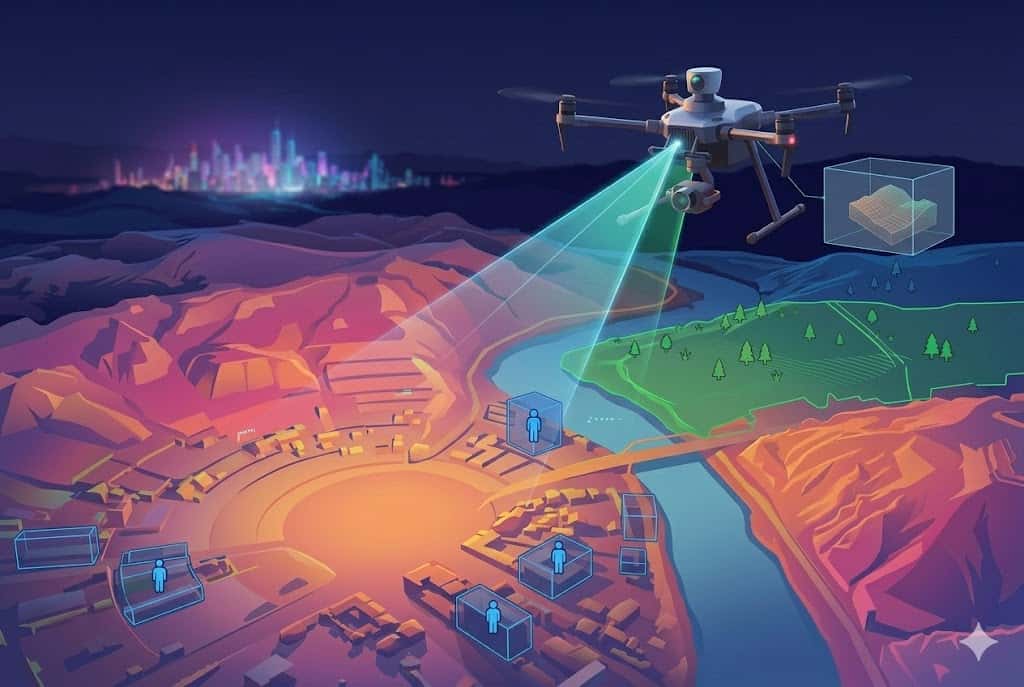
Mapping and Geospatial AI

Mapping and Geospatial AI

For mapping and geospatial AI, annotated point clouds help create structured datasets for terrain analysis, infrastructure mapping, urban planning, and asset detection.

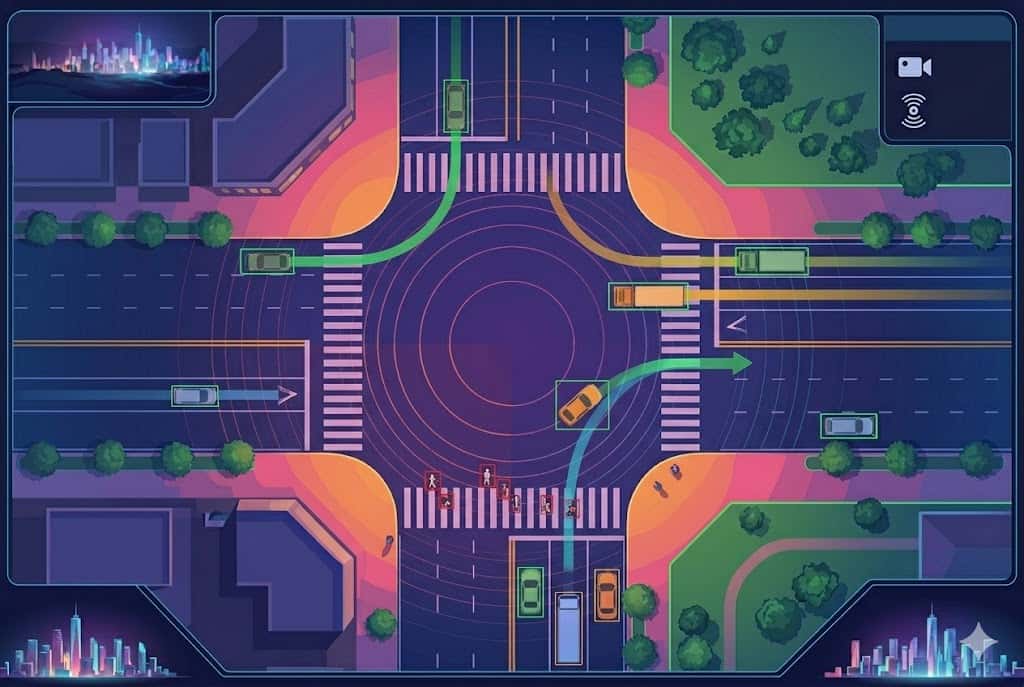
Mobility and Smart Infrastructure

Mobility and Smart Infrastructure

For mobility and smart infrastructure, LiDAR data can support traffic monitoring, road intelligence, pedestrian movement analysis, and safety systems.

Why LiDAR Annotation Needs More Than Speed

3D point cloud annotation is more complex than 2D image annotation because annotators must work with depth, orientation, volume, and spatial relationships. CVAT’s guide notes that point cloud annotation requires working in three dimensions, unlike 2D image annotation, where annotators work with flat pixels.

Why LiDAR Annotation Needs More Than Speed

That is why fast annotation alone is not enough.

A slightly misaligned cuboid can change how a model interprets distance.
A weak orientation label can affect how a machine understands movement.
An inconsistent object class can confuse detection across frames.
A missed edge case can weaken performance in real-world deployment.

Strong LiDAR annotation workflows need:

1clear labelling guidelines before production begins
2calibrated annotator training
3rules for sparse, distant, occluded, and ambiguous objects
4camera-LiDAR cross-checking where applicable
5sequence-level QA, not just sample checks
6feedback loops with client ML and data teams
7scalable delivery without losing consistency

At IndiVillage Tech, this is where our delivery model is built to help.

Have LiDAR Data That Needs Structured Review?

Share a sample dataset with us. We’ll help assess the annotation type, QA requirements, delivery approach, and team structure needed to make it usable for model training or validation.

Sample-based scoping | QA-led delivery | Flexible team ramp-up

Our LiDAR Annotation Workflow

Dataset and Requirement Review

01

Dataset and Requirement Review

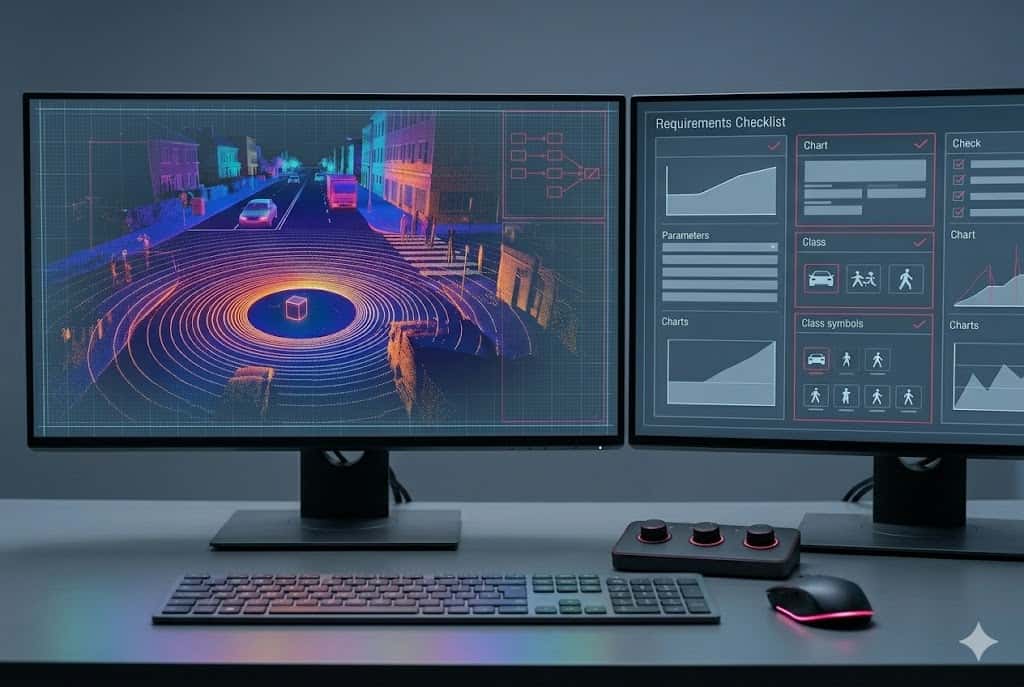
We begin by understanding the sensor setup, data format, object classes, annotation type, quality expectations, tooling requirements, and output format. This helps define the right workflow before production starts.

Guideline Engineering

02

Guideline Engineering

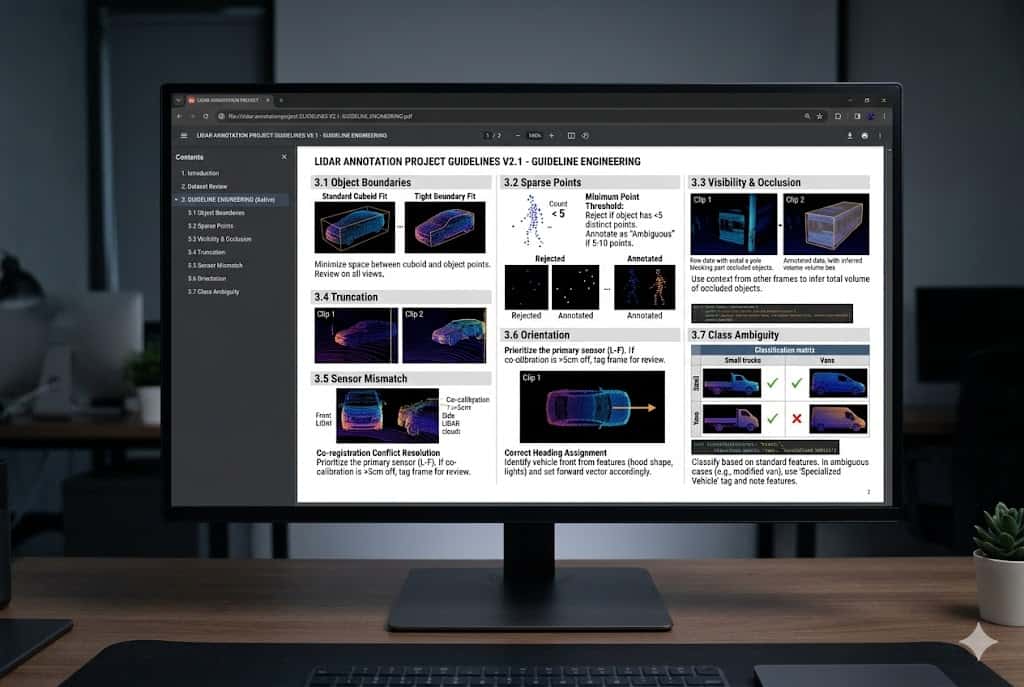
LiDAR projects need precise rules. We help document how annotators should handle object boundaries, sparse points, visibility, occlusion, truncation, sensor mismatch, orientation, and class ambiguity. Better guidelines reduce rework later.

Annotator Calibration

03

Annotator Calibration

Before scaling, the annotation team is trained and calibrated on sample tasks. This ensures that reviewers and annotators interpret spatial rules consistently. Calibration is especially important for LiDAR because ambiguity can enter through depth, distance, sensor density, and sequence movement.

Production Annotation

04

Production Annotation

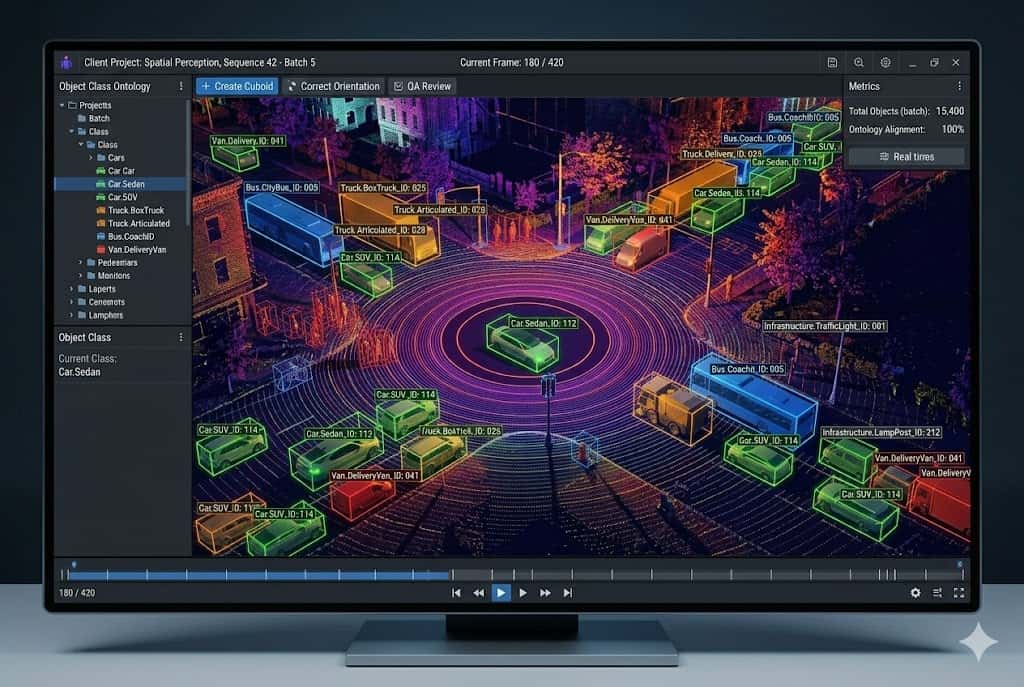
Once the workflow is aligned, trained teams begin annotation using the client’s preferred platform or workflow. IndiVillage can work within existing tools, ontologies, and project environments.

Multi-Layer QA

05

Multi-Layer QA

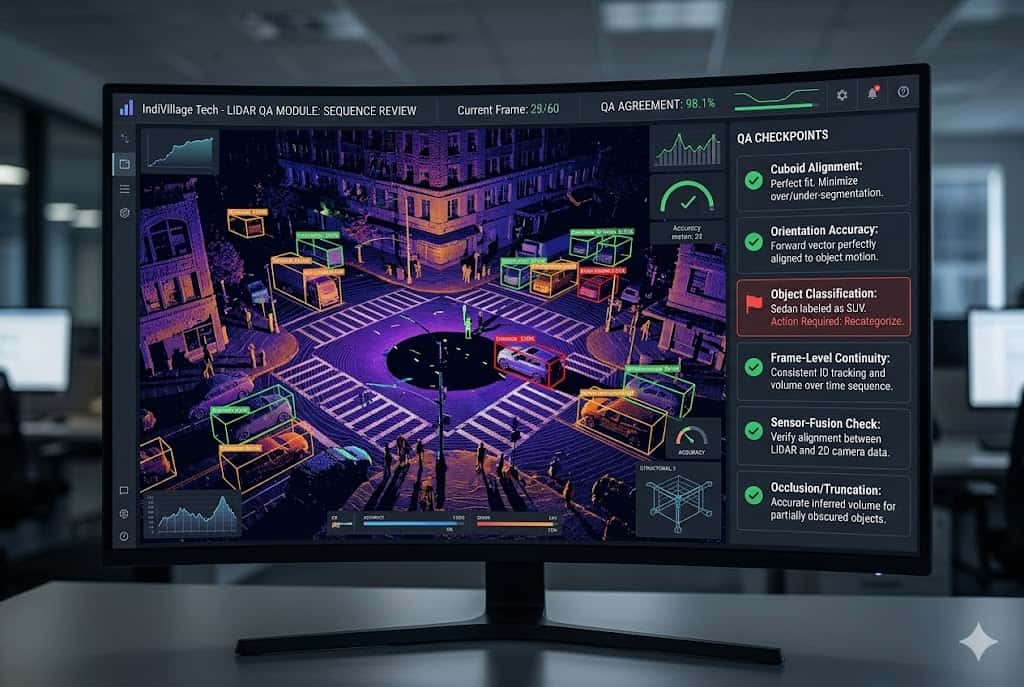
QA is built into the workflow, not left to the end. We review cuboid placement, orientation, class accuracy, frame-level continuity, sensor-fusion alignment, and spatial consistency.

Feedback and Iteration

06

Feedback and Iteration

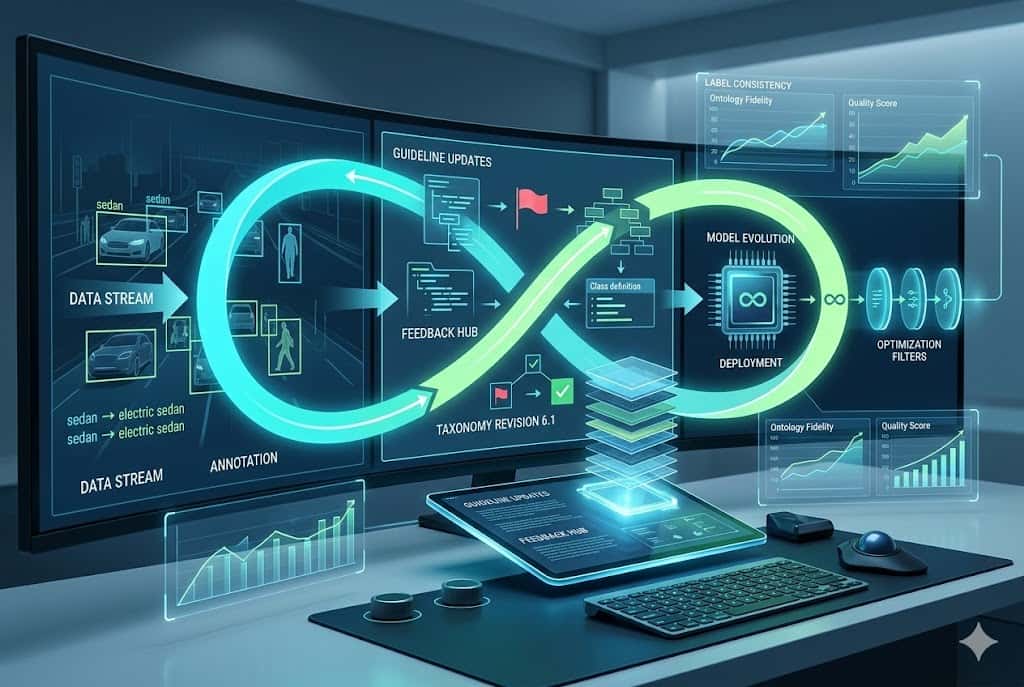
As models evolve, taxonomy and labelling needs often change. We support feedback loops so annotation guidelines, reviewer checks, and delivery workflows can adapt without losing quality.

Annotation Types and Outputs

Depending on your model requirements, IndiVillage can support:

3D cuboid annotation

3D bounding boxes

point cloud semantic segmentation

instance segmentation

sensor fusion annotation

camera-LiDAR alignment review

lane and drivable area annotation

curb, road edge, and obstacle annotation

object tracking across frames

landmark and infrastructure annotation

QA review of existing LiDAR labels

taxonomy refinement and guideline support

We can deliver outputs based on your tool, schema, ontology, and project requirements.

Why Choose IndiVillage Tech for LiDAR Annotation?

Production-Ready QA

Production-Ready QA

LiDAR annotation quality cannot depend on individual judgement alone. We build structured QA systems around clear guidelines, reviewer calibration, and sequence-level checks.

Tool-Agnostic Delivery

Tool-Agnostic Delivery

We work within your preferred annotation platform, workflow, and ontology. You do not need to change your toolchain to work with us.

Scalable Human-in-the-Loop Teams

Scalable Human-in-the-Loop Teams

For large LiDAR datasets, scale matters. We support ramp-up through trained teams, dedicated project management, and quality review layers.

Cost-Effective Execution

Cost-Effective Execution

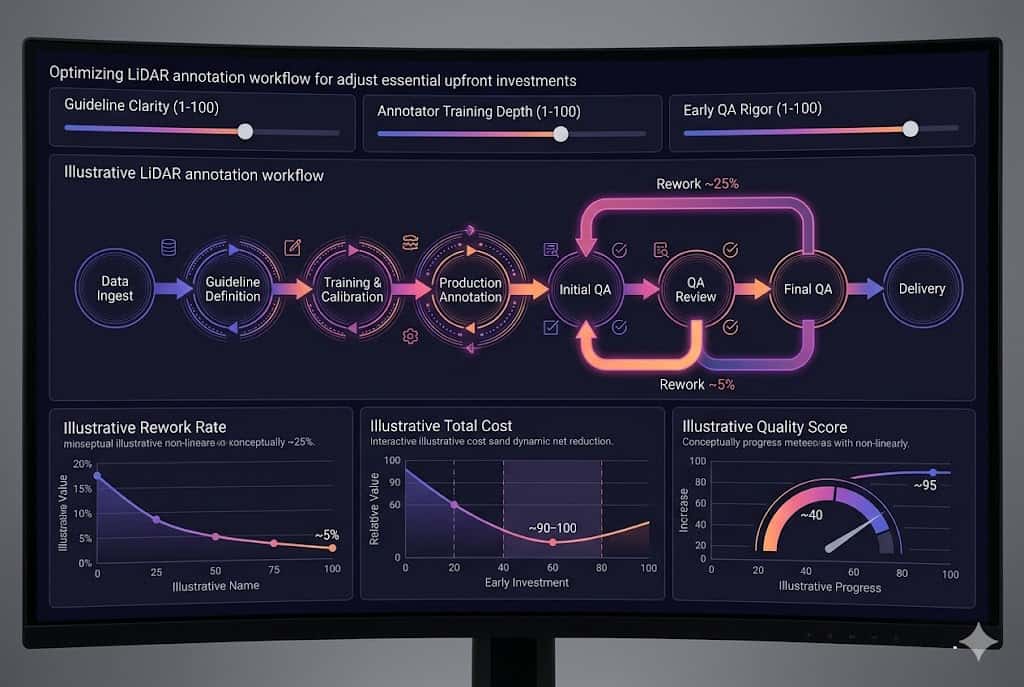
LiDAR annotation can become expensive when rework is high. Our focus is to get the workflow right early, reduce downstream corrections, and support scalable delivery without compromising quality.

Secure Data Workflows

Secure Data Workflows

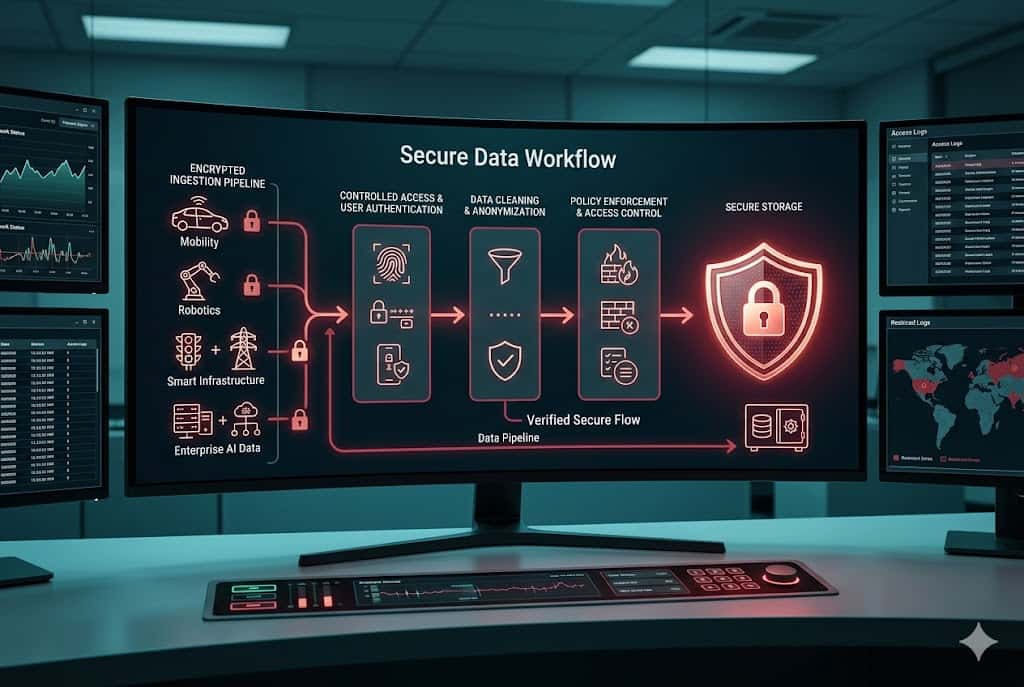
We support controlled access, secure onboarding, and process discipline for sensitive datasets, including mobility, robotics, infrastructure, and enterprise AI data.

LiDAR Annotation for Real-World Conditions

LiDAR Annotation for Real-World Conditions

Real-world LiDAR datasets are rarely clean.

They include low point density, moving objects, reflective surfaces, occlusions, sensor noise, inconsistent frames, unusual road conditions, dense urban scenes, warehouse layouts, indoor navigation challenges, and edge cases that are difficult to label at scale.

That complexity cannot be solved by tooling alone. It needs trained human review, clear spatial rules, and QA systems that understand the difference between a label that looks complete and a label that is actually useful for model learning.

IndiVillage Tech helps AI teams bring that operational layer into LiDAR annotation.

Frequently Asked Questions

Quick answers to help you make smarter, faster decisions with confidence

What is LiDAR annotation?+

LiDAR annotation is the process of labelling 3D point cloud data so AI models can understand objects, distance, depth, movement, and spatial relationships. It is commonly used in robotics, autonomous vehicles, ADAS, mapping, geospatial AI, and smart infrastructure.

What is 3D point cloud annotation?+

3D point cloud annotation involves labelling spatial data captured by LiDAR or depth sensors. Unlike 2D image annotation, it requires annotators to work with object depth, position, shape, orientation, and volume.

What types of LiDAR annotation does IndiVillage support?+

IndiVillage supports 3D cuboids, 3D bounding boxes, point cloud segmentation, sensor fusion annotation, object tracking, lane and drivable area annotation, obstacle annotation, and QA review of existing LiDAR labels.

Do you support sensor fusion annotation?+

Yes. We support workflows where LiDAR data must be reviewed alongside camera, radar, or other sensor inputs. This helps improve consistency across 2D and 3D views.

Can you work with our existing annotation tools?+

Yes. IndiVillage follows a tool-agnostic delivery model. We can work within your existing annotation platform, ontology, labelling guidelines, and workflow.

Why is LiDAR annotation important for robotics?+

Robots need to understand physical space, obstacles, object position, movement, and navigable areas. Annotated LiDAR data helps train models for perception, navigation, localization, and manipulation.

How do you manage quality in LiDAR annotation?+

We use structured guidelines, annotator calibration, multi-layer QA, reviewer checks, and feedback loops. For LiDAR, QA must check spatial relationships, cuboid placement, orientation, class consistency, and frame-to-frame continuity.

Can you handle large-scale LiDAR datasets?+

Yes. IndiVillage supports scalable annotation delivery through trained teams, project management, QA layers, and flexible ramp-up models.

Do you provide only annotation or also QA review?+

We can support both. Teams can use IndiVillage for new LiDAR annotation, QA review of existing labels, correction workflows, or ongoing production support.

How do we start a LiDAR annotation project?+

You can share a sample dataset, annotation requirements, preferred output format, and quality expectations. We can then help scope the workflow, timeline, team structure, and QA process.

Talk to us

Tell us about your AI data requirements and our team will help map the right workflow.

Loading form...