IndiVillage Logo

Industry

Autonomous Vehicle Data Annotation Services for Safer, Smarter AV Systems

Autonomous vehicle AI depends on accurate, high-volume training data across complex, fast-changing driving environments. IndiVillage Tech helps AV and mobility teams scale data annotation for perception, scene understanding, prediction, and edge-case learning across 2D, 3D, LiDAR, video, and sensor fusion workflows.

Autonomous Vehicle Data Annotation Services for Safer, Smarter AV Systems

Trusted by Industry Leaders

Amazon
Samsung
Taranis
FMC
Swiggy
Mercato
Serntera
Syndigo
ITA Group

Autonomous Vehicle Data Services

2D Image Annotation

2D Image Annotation

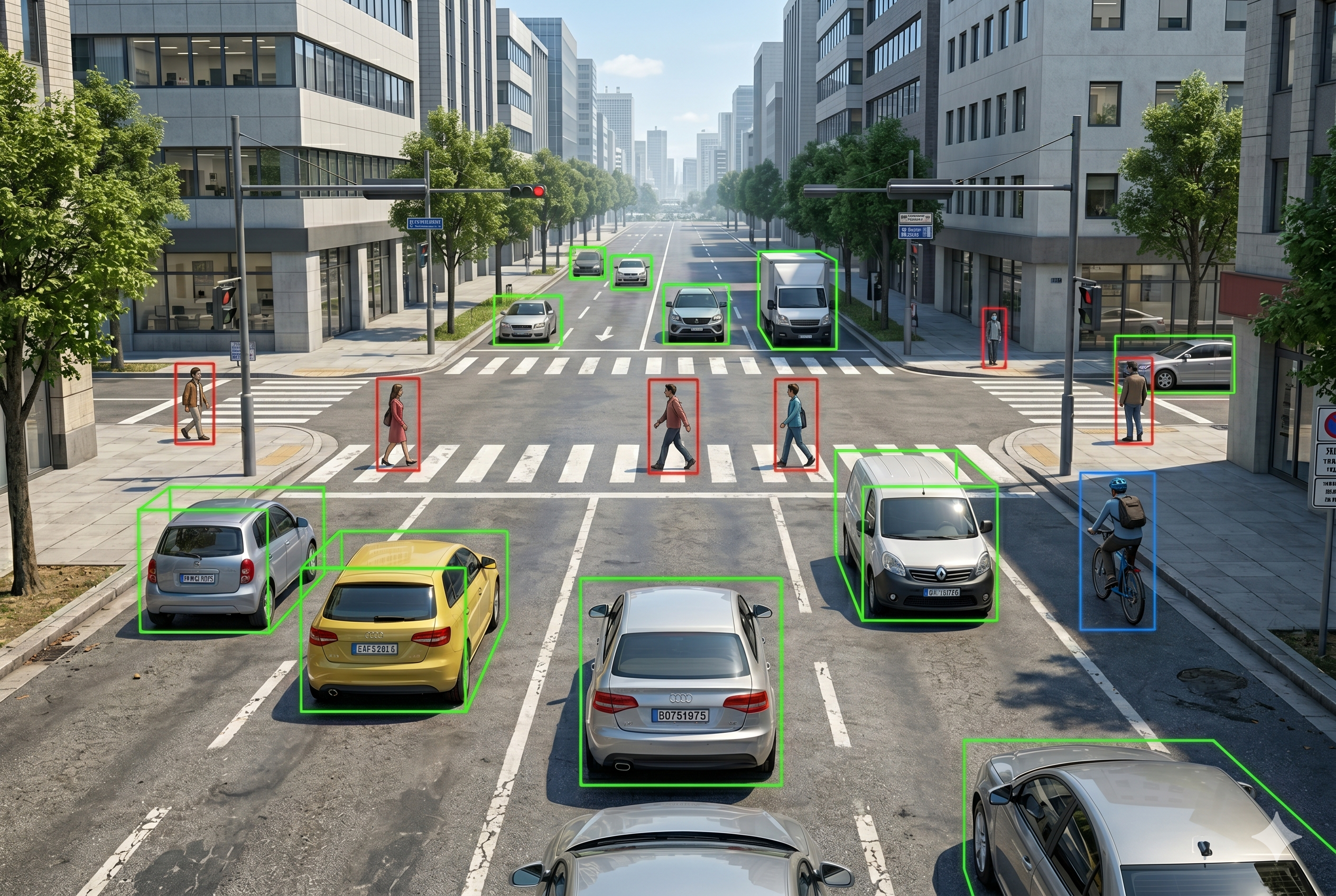
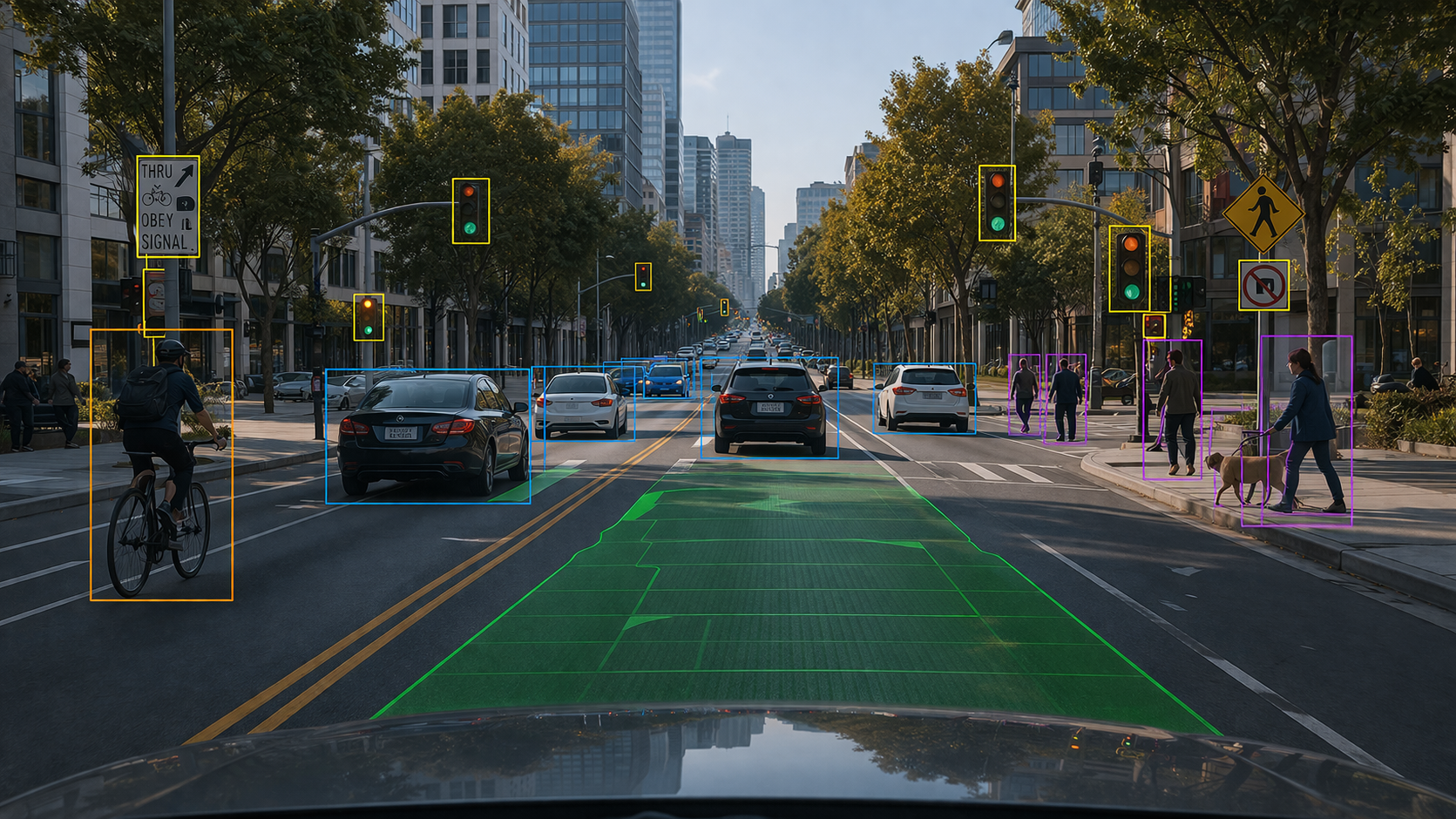
High-accuracy image labeling for camera-based perception models. Bounding boxes, polygons, semantic segmentation, instance segmentation, keypoint annotation, and attribute tagging. Typical classes include vehicles, pedestrians, cyclists, traffic signs, traffic lights, lanes, road markings, obstacles, and drivable areas.

Video Annotation

Video Annotation

Frame-by-frame and sequence-level labeling for dynamic driving scenarios. Object tracking, lane and road boundary tracking, action and event tagging, behavior annotation, occlusion handling, and temporal consistency workflows.

LiDAR Annotation

LiDAR Annotation

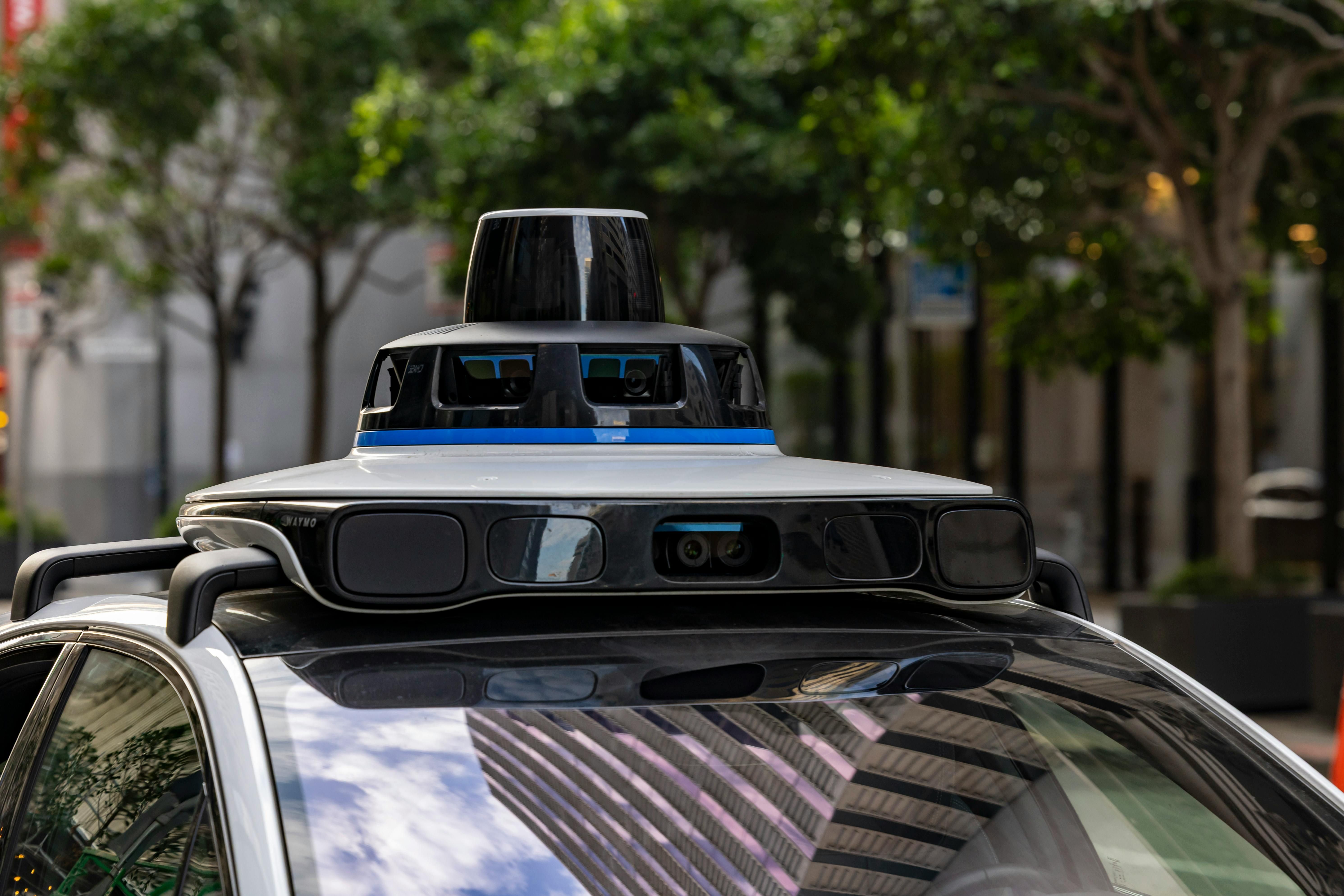
3D labeling for depth-aware perception, localization, and path planning. 3D cuboids, point cloud segmentation, static and dynamic object labeling, lane and road structure annotation, scene-level classification, and multi-frame object continuity.

Sensor Fusion Annotation

Sensor Fusion Annotation

Integrated labeling across synchronized sensor streams. Camera + LiDAR alignment, multi-modal object association, cross-sensor consistency checks, calibration-aware workflows, unified scene interpretation, and annotation across synchronized datasets.

Training Data Built for Real-World Autonomous Driving

Training Data Built for Real-World Autonomous Driving

Secure workflows. Human-in-the-loop QA. Tool-agnostic delivery.

From lane understanding and object tracking to 3D spatial interpretation and multi-sensor alignment, autonomous vehicle systems rely on structured, consistent, context-rich data to perform reliably in the real world.

IndiVillage Tech supports AV programs with scalable data operations designed for production - combining domain-trained teams, structured QA, and delivery models that help improve model performance without compromising consistency.

Built for the Scenarios That Challenge AV Models Most

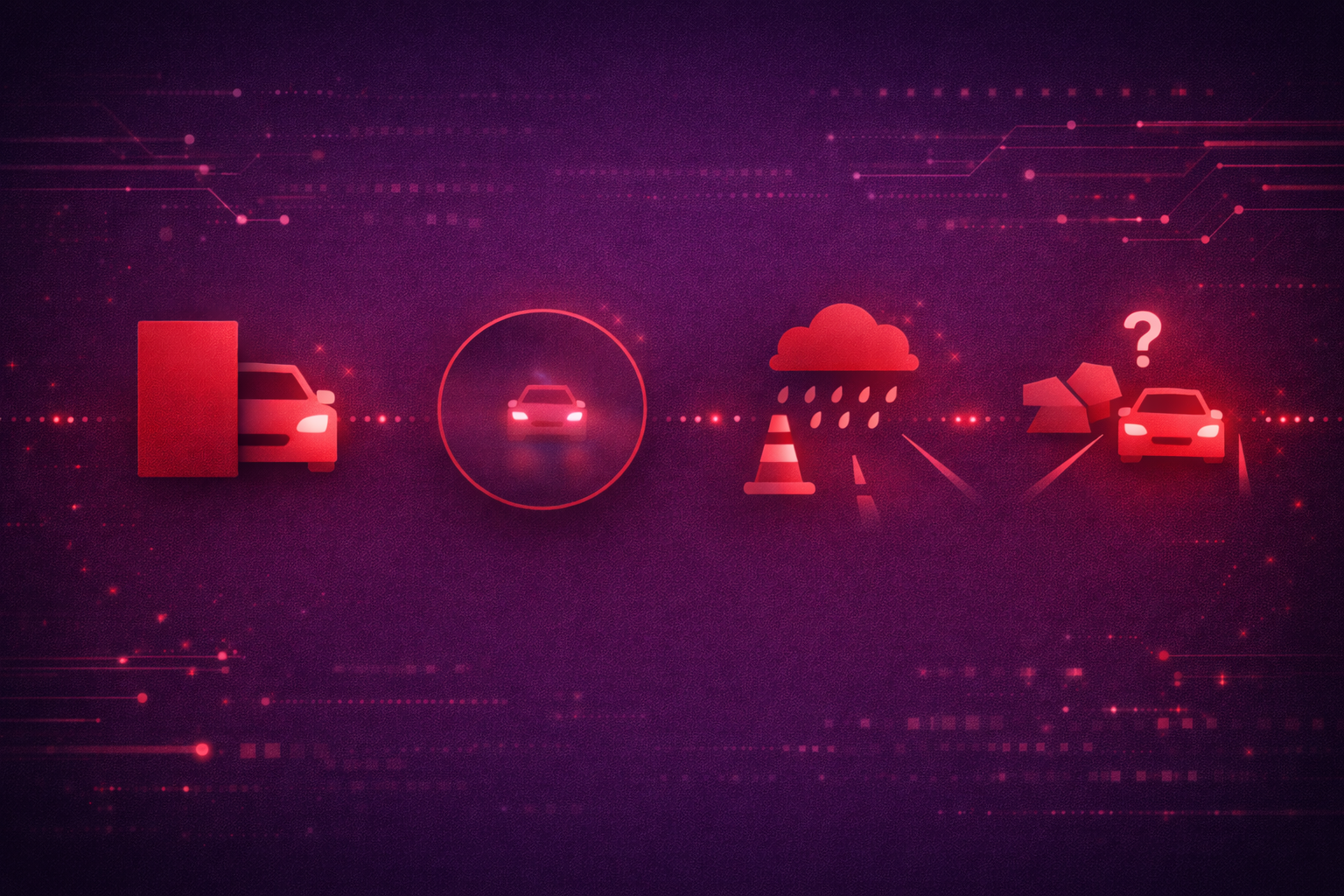
Autonomous vehicle models do not fail on clean roads in ideal light. They fail in the conditions where ambiguity, motion, weather, and context collide. IndiVillage Tech helps teams build datasets that better reflect the variability of real-world driving environments.

Dense traffic and multi-agent road scenes

Training data for complex urban scenes with multiple moving agents and shifting context.

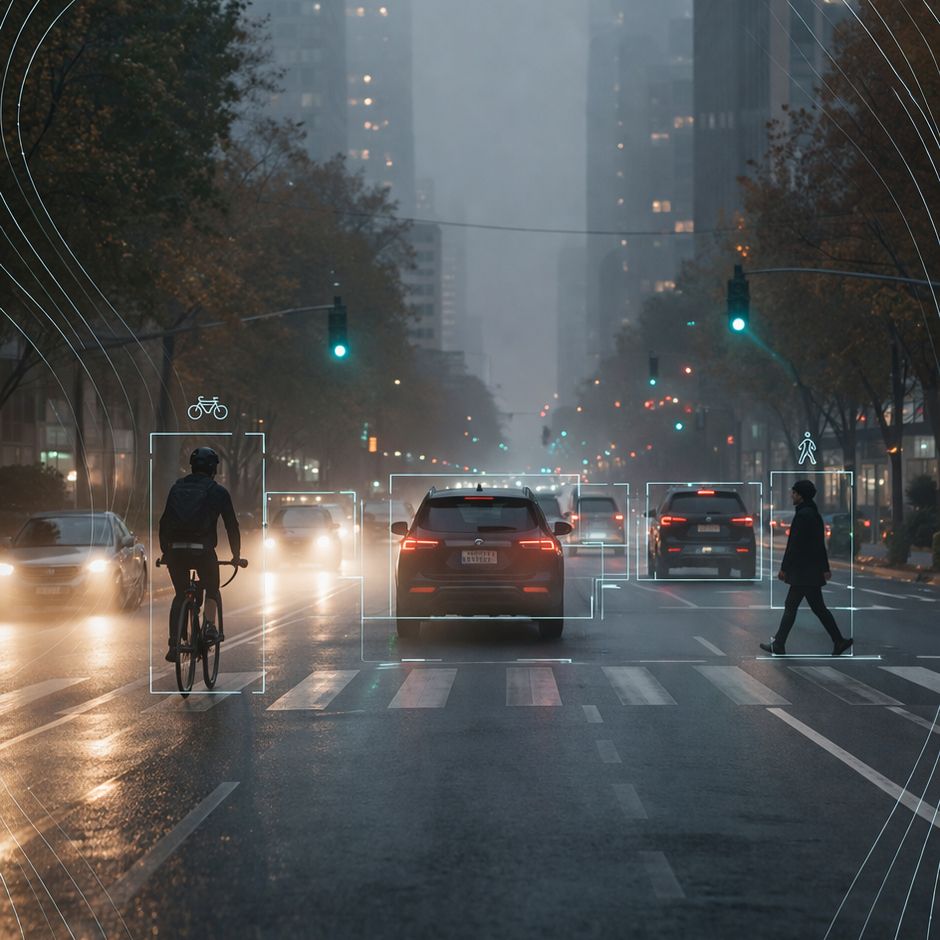
Poor lighting, glare, rain, fog, and low-visibility conditions

Scenario coverage for the visibility conditions where perception models are often stressed.

Occlusions, reflections, and unclear object boundaries

Edge-case data where objects are partially hidden, reflected, or difficult to separate.

Construction zones and inconsistent lane markings

Labels for changing road structure, temporary lanes, cones, barriers, and work-zone ambiguity.

Rare pedestrian, cyclist, and vehicle behaviors

Coverage for unusual behavior patterns that affect prediction and planning.

Edge cases that require contextual accuracy at scale

Structured edge-case review for scenarios where local context changes the correct label.

Why Autonomous Vehicle Teams Work With IndiVillage Tech

Quality Designed Into Delivery

Quality Designed Into Delivery

We treat data quality as a system, not a final checkpoint. Our workflows include guideline development, annotator calibration, multi-pass review, QA audits, and ongoing feedback loops to improve consistency over time.

Scalable Data Operations

Scalable Data Operations

Whether you need a pilot, a dedicated team, or ongoing managed delivery, we support AV data programs that need to scale across volume, complexity, and changing taxonomy requirements.

Tool-Agnostic Execution

Tool-Agnostic Execution

We work within your preferred annotation environment or adapt to your existing tooling, ontology, and workflow requirements.

Secure, Enterprise-Ready Workflows

Secure, Enterprise-Ready Workflows

We support secure onboarding, controlled access, accountable project management, and documentation practices built for enterprise AI teams handling sensitive training data.

Built for Production Timelines

Built for Production Timelines

Our focus is not just annotation throughput, but delivery readiness - structured outputs, measurable QA, and operational support that helps teams move from raw data to usable training assets faster.

Edge Case & Scenario Coverage

Edge Case & Scenario Coverage

Autonomous systems fail at the edges, not in ideal conditions. We design datasets to capture rare, high-impact scenarios - occlusions, low-light conditions, adverse weather, dense urban environments, and unusual object behavior - ensuring models are trained on the complexity they will encounter in the real world.

Flexible Delivery Models for Autonomous Vehicle Programs

Every AV data program comes with its own volumes, timelines, and validation requirements. IndiVillage Tech supports flexible delivery models designed to adapt to these needs.

Pilot Projects

Pilot Projects

Validate quality, taxonomy alignment, and workflow fit before scaling.

Managed Annotation Teams

Managed Annotation Teams

Dedicated teams for ongoing AV data labeling across image, video, LiDAR, and multimodal datasets.

QA-Led Scale Programs

QA-Led Scale Programs

Structured review layers and reporting workflows for teams that need consistency across large, evolving datasets.

Build Better Training Data for Autonomous Vehicle AI

Whether you are improving perception models, scaling sensor fusion workflows, or preparing training data for more challenging road scenarios, IndiVillage Tech can support your AV data pipeline with structured, production-ready delivery.

Frequently Asked Questions

Quick answers to help you make smarter, faster decisions with confidence

What is autonomous vehicle data annotation?+

Autonomous vehicle data annotation is the process of labeling image, video, LiDAR, radar, and other sensor data so AV models can detect objects, understand road scenes, interpret lane structure, and make safer driving decisions.

What types of data are used in autonomous vehicle annotation?+

Autonomous vehicle annotation typically includes 2D image data, video data, LiDAR point clouds, 3D sensor data, and sensor fusion datasets that combine multiple synchronized inputs. These data types are commonly used for perception, localization, tracking, and scene understanding workflows.

What is LiDAR annotation in autonomous vehicles?+

LiDAR annotation is the process of labeling 3D point cloud data to help autonomous vehicle systems understand object position, shape, depth, and movement in physical space. It is commonly used for 3D object detection, scene segmentation, free-space detection, and spatial awareness in self-driving systems.

What is sensor fusion annotation?+

Sensor fusion annotation is the process of labeling synchronized data from multiple sensors - such as camera, LiDAR, radar, and GPS - so models can interpret the same scene across modalities with greater accuracy. This is especially important for autonomous driving systems that rely on cross-sensor consistency and depth-aware perception.

Why is video annotation important for autonomous driving?+

Video annotation helps AV models learn from dynamic road behavior over time, not just from static frames. It supports object tracking, behavior analysis, lane continuity, event tagging, and temporal consistency in real-world driving scenarios.

What objects are typically labeled in autonomous vehicle datasets?+

Common classes include vehicles, pedestrians, cyclists, traffic signs, traffic lights, lanes, road boundaries, obstacles, drivable areas, and construction-zone elements. Depending on the use case, annotation can also include behaviors, motion states, occlusion status, and scene-level attributes.

How do you ensure quality in autonomous vehicle data annotation?+

Quality in AV annotation is typically maintained through clear annotation guidelines, annotator calibration, multi-pass review, consistency checks, and ongoing QA audits. High-performing providers in this category commonly emphasize structured review systems because AV datasets require both spatial precision and temporal consistency.

Do you support edge-case annotation for autonomous vehicle AI?+

Yes. Edge-case annotation can include poor lighting, glare, rain, fog, occlusions, unusual pedestrian behavior, dense traffic interactions, construction zones, and rare road events. These cases matter because autonomous driving models need training data that reflects real-world variability, not just ideal driving conditions.

Can IndiVillage work with our existing AV annotation tools and taxonomy?+

Yes. IndiVillage Tech follows a tool-agnostic approach and can work within your preferred annotation platform, ontology, class definitions, and delivery workflow.

Do you offer pilot projects for autonomous vehicle data annotation?+

Yes. Pilot projects are often the best way to validate quality, taxonomy alignment, workflow compatibility, and delivery readiness before scaling to larger autonomous vehicle data labeling programs.

Talk to us

Tell us about your AI data requirements and our team will help map the right workflow.

Loading form...