

Challenge
Making RDTs Machine-Readable
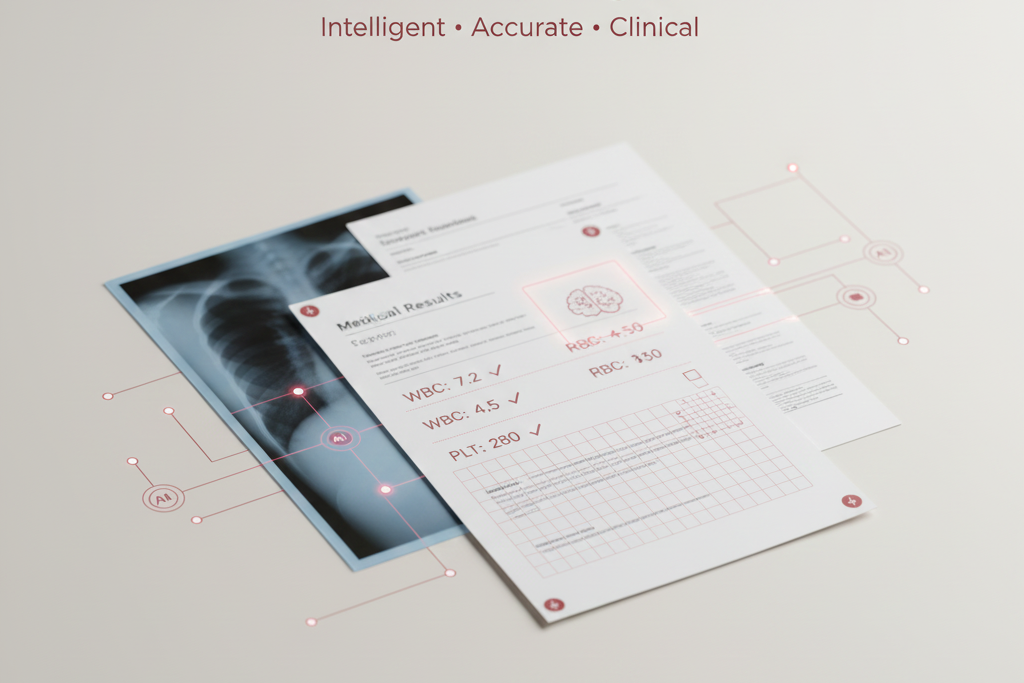
The project's complexity stemmed from the unpredictable nature of Rapid Diagnostic Test (RDT) images. Many were poorly lit, blurry, or overexposed, making it hard to distinguish result lines. Others included personally identifiable information (PII), requiring secure redaction. Inconsistent cassette formats and brand variations added further difficulty in creating uniform data for model training.
To complicate matters, a large volume of images lacked basic labeling. Cassette types had to be manually identified, and faint or unclear test lines demanded expert interpretation. These issues made automation alone insufficient, requiring a careful, human-led annotation approach to ensure precision, safety, and model reliability.